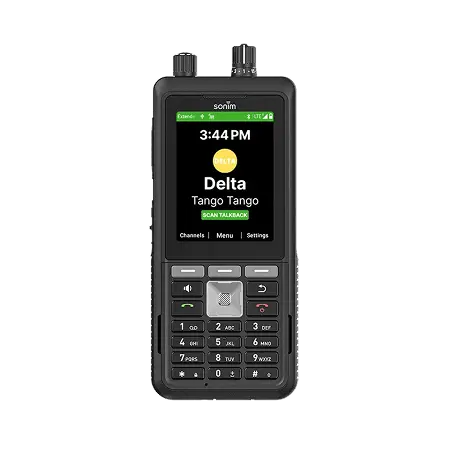




Yes, this is a common use case for LTE Radios. If you're interested in Traditional Radio Integration and not already a user, check it out on our Radio Integration page.
Yes, this is our preferred way to setup your radio billing.
We will prorate the first year of your LTE radio service to align with your existing billing cycle so that you still only get one annual bill from Tango Tango. This can also help to get you up and running while minimizing the impact to your current year's budget.
Yes - no worries about overages or running out of data.
During our standard 3-year agreement, repair and/or replacement of your Radios are covered.
The only exceptions are radios that are either 1) lost or 2) obviously physically abused - for instance, left submerged in water for a long period of time, run over by a vehicle, etc.
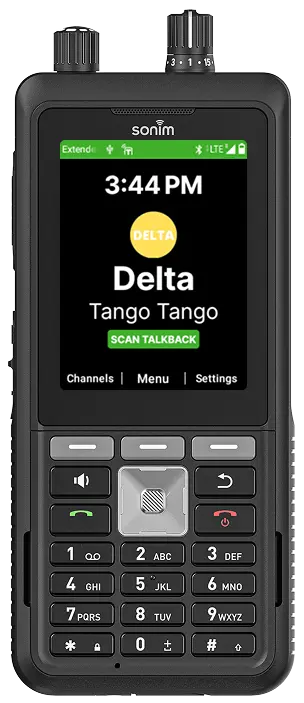
No, given that radios are often a worker's "lifeline", the radio is locked to the Tango Tango app to ensure reliable communications and prevent any unexpected behaviors. This also enables us to offer fully Unlimited LTE Service on your Radio.
At the end of the 3-year agreement, you have 3 choices:
1. Discontinue service
2. Sign a new 3-year agreement and get the "latest and greatest" radio to replace your current device
3. Stay "year-to-year", keep paying what you've been paying, and make no new commitment.
Yes, this is very common. In fact, for Unlimited Plan customers, we encourage users to have both the app on their smartphone and the LTE Radio.
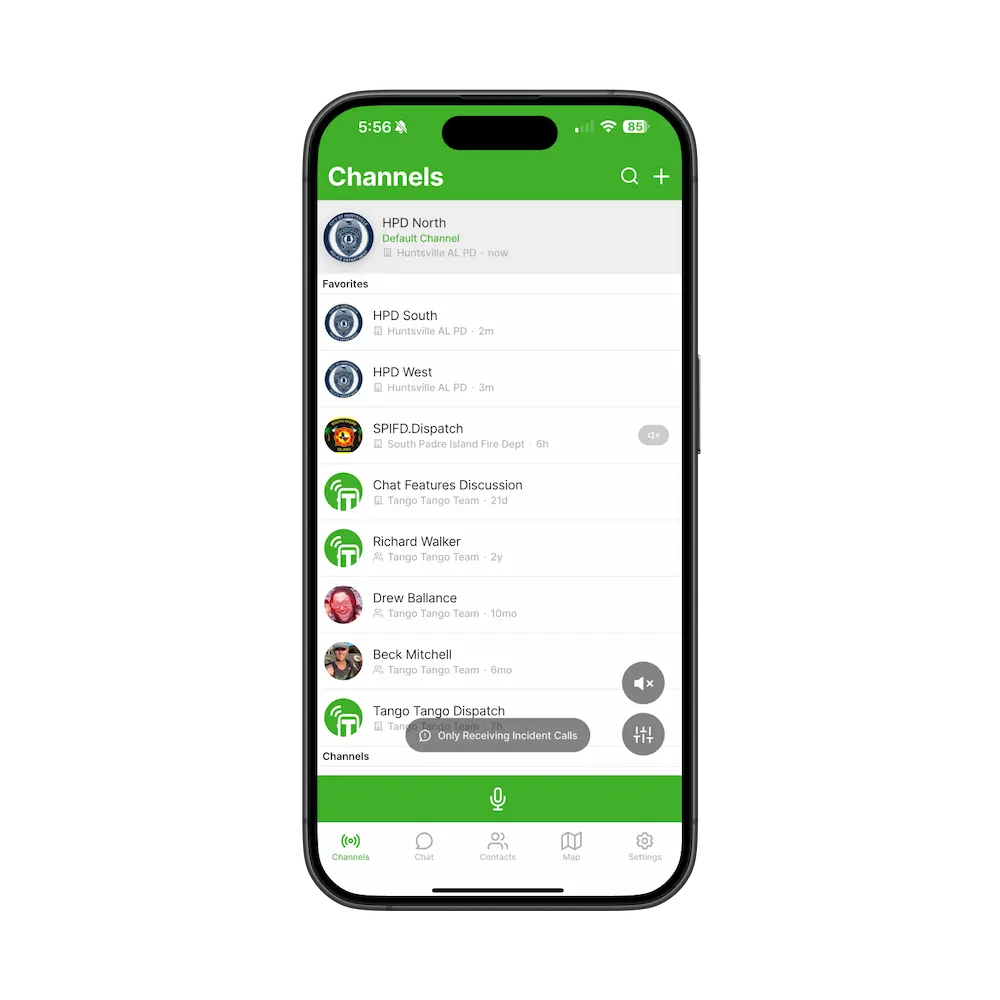
Use the Radio for "urgent" comms like dispatch communications. Use the app for messaging, playing back recordings, or one-to-one PTT conversations that are less critical. See the PTT App here.
No, LTE Radios connect securely to the LTE or WiFi network just like your cell phone would. We also encrypt Tango Tango traffic in military-grade security.
No, LTE Radios have their channel and user lists updated automatically over the air continuously throughout the day. There is never a need to "program" one like you would a traditional two-way radio.
No, the radios work very similar to a smartphone internally and connect to LTE and/or WiFi networks to communicate. You don't need an FCC license to use one just like you don't need an FCC license to use your personal iPhone or Android phone.
Traditional two-way radios require licensing because you own the radio network and are responsible to the FCC for what the system and radios are putting into the airwaves.
More Reviews